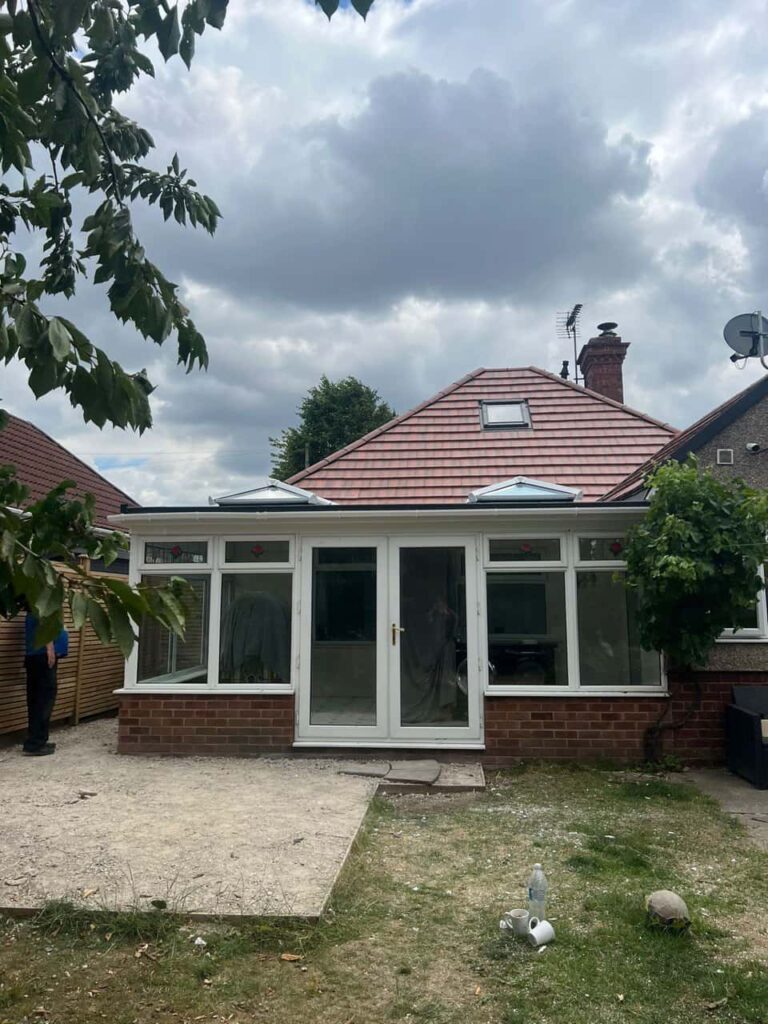
Slate roofing is valued for its natural appearance, durability and ability to protect a property from the elements. However, even a well-maintained slate roof can develop problems over time. Individual slates may crack, begin to separate into layers or become loose due to ageing, weather exposure and deteriorating fixings.
Recognising these warning signs early can help prevent water from entering the roof and causing further damage. For homeowners in Hazlemere, Buckinghamshire, understanding how to identify slate roofing defects is an important part of maintaining a reliable roof.
Common Slate Roofing Problems and How to Recognise Them
1. Cracked Slate Roofing Tiles
Cracks can develop when slate tiles experience impact, repeated weather exposure or stress caused by movement in the roof structure. Even a small crack can compromise the tile’s ability to keep rainwater out.
Look for:
- Visible lines or splits across individual slates.
- Broken corners or chipped edges.
- Pieces of slate missing from the roof covering.
- Damp patches inside the property following rainfall.
Cracked slates should not be ignored, as water may enter through the damaged area and affect the underlay or supporting roof structure. A roofing specialist can determine whether the affected slate needs replacing and check neighbouring tiles for similar damage.
2. Delaminating or Splitting Slate
Slate is a natural stone formed in layers. Delamination occurs when these layers begin to separate, causing the tile to split, flake or peel apart.
This problem can develop gradually as the slate weathers. In some cases, the surface may begin to look rough or uneven before larger sections start breaking away.
Common signs include:
- Thin layers lifting from the slate surface.
- Flaking or peeling along the edges.
- Slate tiles becoming noticeably thinner.
- Pieces of stone separating from the main tile.
Delaminating slates may eventually lose their strength and become more vulnerable to breakage. If several tiles show these signs, a closer assessment can help establish whether the problem is isolated or affects a wider section of the roof.
3. Loose or Slipped Slate Tiles
Slate tiles are secured using fixings that hold them in position and maintain the correct overlap. Over time, nails can corrode or fixings can deteriorate, allowing individual slates to move.
A slipped slate may appear lower than the surrounding tiles, leaving a gap where rainwater can enter. Loose tiles can also become more vulnerable during periods of strong wind.
Watch for:
- Slates sitting unevenly within a roof row.
- Visible gaps between neighbouring tiles.
- Tiles that appear to have moved down the roof slope.
- Slates hanging away from the roof surface.
Loose slates should be addressed promptly. Simply pushing a tile back into position may not provide a lasting repair if the original fixing has failed.
4. Signs of Water Ingress Inside the Property
Roofing defects are not always easy to identify from the outside. Sometimes, the first indication of damaged slate tiles is a leak or damp patch inside the property.
Look for water stains on ceilings, peeling paint, damp insulation or musty smells in loft spaces. These symptoms may indicate that rainwater has entered through cracked, missing or displaced slates.
It is important to remember that water can travel along the roof structure before becoming visible indoors. A professional inspection can help trace the source rather than simply treating the visible signs of dampness.
What Causes Slate Roofing Tiles to Deteriorate?
Several factors can affect the condition of a slate roof. Natural weathering gradually changes the surface of the stone, while strong winds and falling branches can cause sudden impact damage.
Other contributing factors include:
- Ageing or corroded slate fixings.
- Repeated exposure to rain and temperature changes.
- Movement in roof battens or supporting materials.
- Poor installation or incorrect fixing methods.
- Previous repairs that have not properly addressed the underlying issue.
Understanding the cause is important when planning repairs. Replacing a damaged slate without checking the condition of its fixings or surrounding roof structure may leave the original problem unresolved.
How to Maintain a Slate Roof and Prevent Further Damage
Regular visual checks can help identify early signs of deterioration. From ground level, look for uneven roof lines, missing slates or pieces of slate around the property. It is also sensible to check the loft occasionally for signs of moisture or daylight entering through the roof.
Avoid climbing onto the roof or attempting to reposition loose slates yourself. Slate can become slippery, and walking directly on it may cause additional breakages.
If you notice cracking, flaking or movement, arrange a professional inspection. Prompt repairs can help maintain the roof’s weather protection and reduce the risk of further deterioration.
Professional Slate Roof Repairs in Hazlemere, Buckinghamshire
Repairing a slate roof requires care and an understanding of how individual tiles, fixings and overlapping sections work together. A roofing specialist can assess the affected area, identify damaged slates and check whether the supporting materials remain in suitable condition.
LS Roofing Hazlemere provides roofing repair services for property owners in Hazlemere, Buckinghamshire. If you have noticed cracked, delaminating or loose slate tiles, professional advice can help establish the most appropriate repair approach.
Conclusion
Cracked, delaminating and loose slate tiles can all affect the weather protection of a roof. While some defects may initially appear minor, they can create gaps that allow moisture to enter and cause further damage.
Recognising the warning signs and arranging repairs when needed can help preserve the condition of your slate roof. If you are concerned about damaged slate tiles on your property in Hazlemere, Buckinghamshire, contact LS Roofing Hazlemere to discuss your roofing requirements.
Call us on: 01494 977 299
Click here to find out more about LS Roofing Hazlemere
Click here to complete our contact form and see how we can help with your roofing needs.