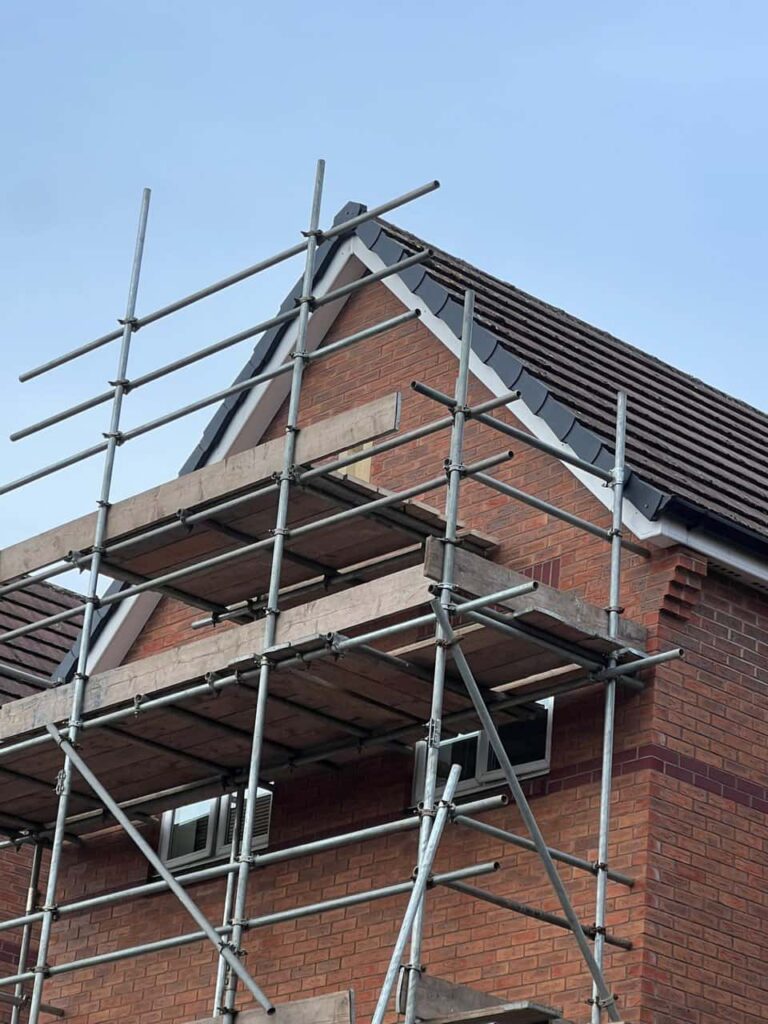
Heavy rainfall can quickly reveal weaknesses in a roofing system. A roof that appears perfectly serviceable during dry weather may begin showing problems once water is repeatedly driven across tiles, into junctions and through drainage systems. The most effective approach is therefore to identify developing defects before prolonged rainfall has an opportunity to turn them into leaks.
For homeowners in Hazlemere, Buckinghamshire, checking several key areas can provide a useful indication of whether a roof requires professional attention. At LS Roofing Hazlemere, we assess the complete roofing system to identify weaknesses and carry out appropriate repairs that help properties remain reliably protected during wet weather.
1. Roof Tiles and Slates
The main roof covering provides the first barrier against rainfall, making damaged or displaced tiles one of the most important issues to identify.
Look from ground level for obvious signs such as:
- Missing tiles or slates
- Cracked or broken sections
- Tiles that have slipped out of alignment
- Uneven areas of roof covering
- Materials that have moved following strong winds
A single damaged tile does not necessarily mean there is a major roofing problem. However, the opening it creates can expose the materials underneath to repeated moisture.
If several tiles are deteriorating simultaneously, a professional inspection can establish whether the damage is isolated or indicative of a wider issue.
2. Lead Flashing and Roof Junctions
Some of the most vulnerable parts of a roof are not the broad tiled areas but the points where different surfaces meet.
Flashing is commonly used to protect these junctions and direct water away from areas where it might otherwise penetrate the roofing system.
Over time, flashing can become loose, damaged or deteriorated. Heavy rain may then expose weaknesses that were not noticeable during drier conditions.
Particular attention should be given to flashing and other weatherproofing details around roof junctions, as relatively small defects can become significant sources of water ingress.
3. Gutters and Rainwater Drainage
Your roof does not simply need to prevent water from entering the property; it also needs to move substantial amounts of rainfall away efficiently.
Gutters play an essential role in this process.
Leaves, moss and general debris can restrict water flow, while damaged or poorly positioned gutter sections may allow rainfall to overflow instead of reaching the intended drainage points.
Possible warning signs include:
- Water overflowing during rainfall
- Sagging gutter sections
- Visible debris accumulation
- Water running down exterior surfaces
- Persistent dripping from joints
Problems with drainage can expose roof edges and surrounding components to unnecessary moisture, making gutters an important part of overall roof maintenance.
4. Ridge and Hip Areas
Ridge and hip tiles occupy particularly exposed positions on many roofs. Because they sit along prominent roof lines, they can experience significant weather exposure throughout the year.
Look for signs of:
- Loose tiles
- Missing sections
- Cracked materials
- Deteriorating mortar
- Visible gaps
Heavy rain combined with strong winds can place additional pressure on already weakened areas.
If ridge or hip tiles appear to have moved, professional assessment is advisable rather than waiting for further deterioration.
5. Valleys and Areas Where Water Is Concentrated
Roof valleys perform an especially demanding job during heavy rainfall because water from two roof slopes can be directed into a relatively narrow channel.
This makes effective water flow particularly important.
Debris, deterioration or damage within these areas can interfere with drainage and increase the possibility of moisture finding its way beneath surrounding roofing materials.
Valleys can also be difficult to assess properly from ground level. Where there are signs of staining, recurring leaks or concerns about their condition, an experienced roofer can inspect them more closely.
6. The Roof Space and Internal Ceilings
Not every early warning sign appears outside.
The roof space and rooms immediately beneath the roof can provide useful clues that water is entering somewhere within the roofing system.
Homeowners should be alert to:
- Damp patches
- Water staining
- Darkened roof timbers
- Moisture around junctions
- Musty odours
- Marks appearing after rainfall
It is important to remember that the location of an internal stain may not correspond directly with the external defect. Water can travel along roofing materials and timbers before becoming visible.
This is why tracing the actual source of a roof leak requires careful investigation.
Why Heavy Rain Exposes Existing Roof Weaknesses
Rain does not necessarily create every roofing defect. In many cases, it simply reveals a weakness that was already developing.
A slightly displaced tile, small flashing defect or partially restricted drainage channel may cause few obvious symptoms during lighter weather. When rainfall becomes prolonged or intense, much larger quantities of water have to be managed.
Weak areas can then become more apparent.
This is one reason proactive roof maintenance is preferable to waiting until water begins entering the property.
Pay Attention After Windy Weather Too
Heavy rainfall is often accompanied or preceded by strong winds, creating an additional challenge for roofing materials.
Wind can lift or displace tiles, loosen vulnerable components and expose areas that were previously protected. Rain can subsequently enter through the resulting gaps.
Checking the general appearance of the roof from a safe ground-level position after severe weather can help identify obvious changes. Any suspected damage should then be professionally assessed.
Older Roofs Benefit From Closer Attention
Age alone does not mean that a roof will leak during heavy rain. A well-maintained older roof may continue providing reliable protection.
However, roofing materials naturally weather over time, and several components can begin deteriorating during a similar period.
An older roof showing repeated tile movement, deteriorating flashing, drainage problems or previous water ingress deserves closer attention before periods of prolonged rainfall.
Regular professional inspections can help identify these issues while they remain manageable.
Why You Should Not Wait for a Visible Leak
A dripping ceiling is an obvious indication of a roofing problem, but it should not be the point at which roof maintenance begins.
By the time water becomes visible inside a room, moisture may already have travelled through several layers of the roofing system.
Early attention to slipped tiles, deteriorating roof details and drainage problems can help prevent water from reaching this stage.
A roof does not need to be visibly leaking to benefit from professional repairs.
Professional Inspection Looks at the Whole Roof
Individual roofing components do not operate independently. Tiles, flashing, valleys, ridges, gutters and supporting materials all contribute to weather protection.
At LS Roofing Hazlemere, we assess the roof as a complete system rather than concentrating only on the most obvious visible defect. This approach helps establish why a problem has developed and whether surrounding areas also require attention.
Where repairs are needed, addressing the underlying cause is important for restoring dependable roof performance.
Preparing Your Roof Before the Next Period of Heavy Rain
The best time to investigate a potential roofing problem is before severe weather exposes it.
If you have noticed slipped tiles, overflowing gutters, deteriorating flashing or previous signs of moisture, arranging an inspection can provide a clearer understanding of the roof’s condition.
Timely maintenance can help preserve weather resistance and reduce the likelihood of a minor defect developing into more extensive damage.
Conclusion
Preparing a roof for heavy rain means paying attention to the areas responsible for keeping water out and directing it safely away. Roof tiles, flashing, gutters, ridges, valleys and internal roof areas are all worth monitoring for early signs of deterioration.
For homeowners in Hazlemere, Buckinghamshire, LS Roofing Hazlemere provides professional roof inspections and repairs designed around the condition of each property. If you have noticed signs of deterioration or are uncertain whether your roof is ready for prolonged wet weather, our experienced team can assess the roofing system and carry out the appropriate work to help keep your home reliably protected.
Call us on: 01494 977 299
Click here to find out more about LS Roofing Hazlemere
Click here to complete our contact form and see how we can help with your roofing needs.